Acne & Texture · September 3, 2026 · 6 min read
5 Things That Actually Help Adult Hormonal Breakouts
You made it through your teens, maybe even your twenties, and now the breakouts are back. They tend to sit low on the face, along the jawline, chin and neck, and they often show up in the same week every month. If that sounds familiar, you are in good company. The American Academy of Dermatology notes that adult acne is common in women, and that some women get acne for the very first time as adults.
The good news is that adult breakouts usually respond well to a steady, gentle plan. The bad news is that the things we reach for in a panic, harsh scrubs, drying spot treatments, five new products at once, tend to make adult skin angrier. Here are five things that actually help, in the order we would tackle them.
First, why adult breakouts happen
According to the AAD, fluctuating hormones are a big driver of acne in women. Those shifts can ramp up oil production and affect the hair follicles where breakouts start. That is why flares often line up with your cycle, with starting or stopping birth control, after pregnancy, and around perimenopause.
Hormones are rarely the whole story, though. The AAD also points to stress (which can worsen existing acne), family history, certain medications, and hair and skin products that clog pores. Knowing this matters, because it means you have more levers to pull than you might think.
1. Pick one proven active ingredient and give it 6 to 8 weeks
The AAD recommends that mild adult acne often responds to over-the-counter products with one of four ingredients: adapalene (a retinoid), azelaic acid, benzoyl peroxide, or salicylic acid. The key word is one. Choose a single product, use it consistently, and do not add anything new for six to eight weeks.
That timeline is the hard part. The AAD says to expect fewer breakouts in roughly four to eight weeks, with clearer skin taking closer to four months. Switching products every ten days means you never find out what works.
Apply a thin layer over the whole area where you tend to break out, not just on the spot you can see today. Hormonal breakouts form under the surface days before they show up, so treating the whole jawline helps catch the next one early.
- Adapalene 0.1% gel: helps unclog pores and keep new clogs from forming. Use at night.
- Benzoyl peroxide: start low (the AAD suggests 2.5%) to limit dryness and burning.
- Azelaic acid: a gentler option that can also help with the dark marks breakouts leave behind.
- Salicylic acid: helps loosen clogged pores, often found in cleansers.
2. Protect your moisture barrier, especially in a dry climate
Adult skin is usually less oily and more easily irritated than teenage skin, and acne actives can be drying. Here in the Treasure Valley, low humidity and our long, dry summers and cold winters stack on top of that. When skin gets over-dried, it often looks red, flaky and more inflamed, and many people respond by scrubbing harder. That cycle tends to backfire.
Pair your acne product with a plain, fragrance-free moisturizer labeled non-comedogenic. If your skin stings or peels, use your active every other night until it settles. A calm barrier is not a luxury here; it is what lets you stick with your treatment long enough to see results.
3. Audit what touches your jawline
Because hormonal breakouts cluster low on the face, it is worth checking what lives there. Heavy hair conditioners, styling oils and leave-ins can slide down onto the jaw and neck. So can thick foundations, concealers and some sunscreens. The AAD suggests looking for products labeled non-comedogenic or oil-free.
Also think about the everyday contact points: your phone screen, the hand you rest your chin on at your desk, pillowcases, and scarf or turtleneck season. None of these cause acne by themselves, but friction and buildup can keep a jawline breakout pattern going.
- Wash pillowcases weekly, more often during a flare.
- Wipe your phone screen regularly.
- Keep hair products off your face, and rinse conditioner with your head tilted back.
- Wash makeup brushes and sponges every week or two.
4. Treat stress and sleep like part of your routine
This one sounds soft, but the AAD notes that stress can make existing acne worse. You cannot eliminate stress, but you can stop it from turning into skin damage. Stressful weeks are often when picking happens, when the routine slips, and when sleep gets short.
Simple guardrails help: keep your skincare steps on the sink so they happen even on rough nights, keep your hands busy during screen time, and put a pimple patch on a spot you know you will be tempted to touch. Consistency through the hard weeks is where adult skin improves.
5. Add professional care for a reset, not a miracle
Professional treatments do not replace a home routine, but they can make that routine work better. A licensed esthetician can deep cleanse, perform careful extractions on blackheads and whiteheads, and use gentle exfoliation to help keep pores from re-clogging. Many people also like LED light therapy as a calming add-on.
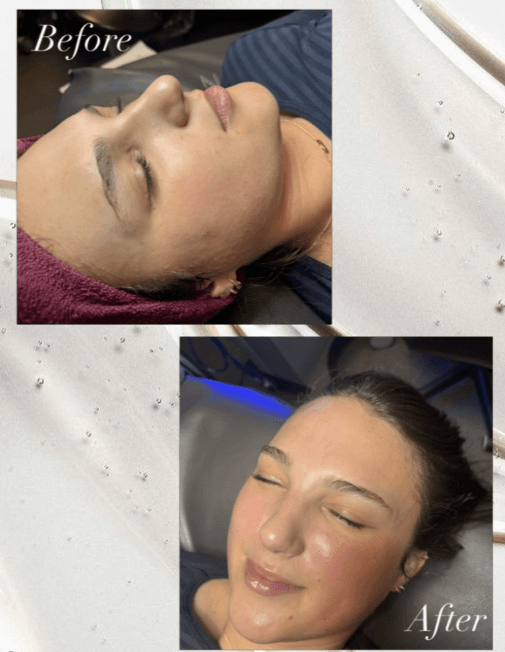
At BELA Aesthetics, our Acne Clearing Facial is built for exactly this: clearing congestion without stripping your skin, and helping you build a home routine you can actually stick to. For some clients, a series of light chemical peels spaced a few weeks apart is a good next step. What estheticians cannot do is diagnose the cause of your acne or prescribe medication, which brings us to the most important point.
Know when over-the-counter is not enough
If you have given a single product a fair trial and you are still breaking out, it is not a willpower problem. Dermatologists have prescription options for women with hormonal acne, including certain birth control pills and spironolactone, along with prescription retinoids and other medications. The AAD also notes that acne with irregular periods or extra facial hair can be a sign of an underlying condition such as polycystic ovary syndrome, which deserves a medical evaluation.
Key takeaways
- Fluctuating hormones are a common driver of adult acne in women, but stress, products and medications play a role too.
- Choose one proven active ingredient and use it for 6 to 8 weeks before judging it.
- In a dry climate like the Treasure Valley, a moisturizer is what keeps acne treatment tolerable.
- Check hair, makeup and everyday contact points along the jaw.
- Professional facials support a home routine; a dermatologist handles prescriptions and medical causes.
When to see a dermatologist: See a board-certified dermatologist if your breakouts are deep, painful or cystic, if they leave scars or dark marks, if you see no improvement after 2 to 3 months of consistent over-the-counter care, or if acne comes with irregular periods, thinning scalp hair or new facial hair. A dermatologist can evaluate hormonal causes and discuss prescription options such as spironolactone, certain birth control pills, and prescription retinoids. Check with your doctor before using acne products if you are pregnant or trying to conceive.
Not sure what your skin needs?
Take our 60-second skin quiz for a personalized treatment match, or book a visit at our Garden City studio.
Questions
Why do I break out along my jaw and chin?+
Breakouts on the lower face are common in adult women and are often linked to hormonal shifts. Products, friction and habits along the jaw can add to the pattern. A dermatologist can help sort out the cause if it is persistent.
Can a facial fix hormonal acne?+
A facial cannot change your hormones, but a professional acne facial can help clear congestion, calm the look of inflamed skin, and support a consistent home routine. For hormonal acne that keeps coming back, pair professional care with a dermatologist's advice.
How long until I see a difference?+
The AAD says to expect fewer breakouts in about 4 to 8 weeks with a consistent over-the-counter routine, and clearer skin closer to 4 months. Give one product a fair trial before switching.
Is it safe to use acne products while pregnant?+
Some acne ingredients are not recommended during pregnancy. The AAD advises talking with a dermatologist or your doctor before treating acne if you are pregnant or trying to become pregnant.
Sources
- American Academy of Dermatology: Adult acne
- American Academy of Dermatology: Adult acne treatment dermatologists recommend
- American Academy of Dermatology: Acne, who gets it and causes
- American Academy of Dermatology: Is that stubborn acne really acne?
- American Academy of Dermatology: Acne diagnosis and treatment
Educational content from a licensed esthetician, not medical advice.